Paint correction is a controlled process that levels the vehicle’s clear coat to remove or reduce surface defects. A one-step paint correction uses a single polishing, with a finishing polish and pad, targeting light swirl marks and haze to quickly improve gloss and shine at a lower cost. In contrast, a two-step paint correction involves an initial cutting stage with compound and a cutting pad to address moderate to severe swirls, oxidation, and random isolated deep scratches (RIDS), followed by a polishing stage to refine the finish for a significantly more enhanced, near-showroom appearance.
1-Step vs 2-Step Paint Correction: Which One Is Best for Your Car
Introduction
You can spot swirls and hazy patches on a sunny Dallas afternoon from a mile away. The question most drivers ask next is simple: should I fix it with a single polishing stage or go with a multi-stage correction for the best possible finish? The answer depends on how far you want to push the clarity and how much time and budget you want to invest.
We wrote this as a practical guide you can use to decide, grounded in how we correct paint daily across North Texas.
What Paint Correction Really Does
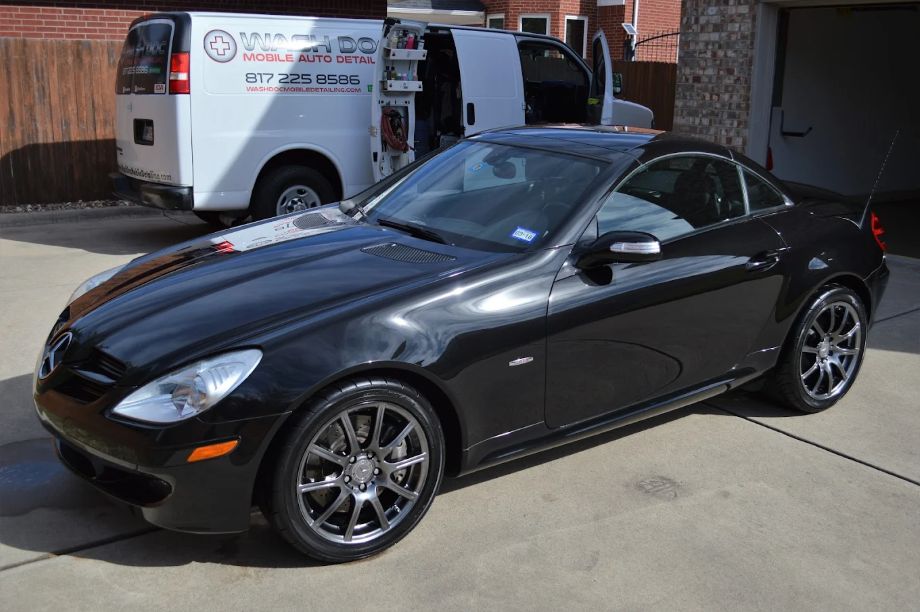
Before we compare the two approaches, let’s answer the big question: what is paint correction? In short, it’s the measured removal of a tiny amount of your vehicle’s clear coat to level the surface so light reflects cleanly. When you cut away the peaks around a scratch or swirl, the defect becomes dramatically less visible and the paint looks deeper and more reflective.
Most OEM clear coats are roughly 40 to 60 microns thick, about the thickness of a human hair divided into 1,000 slices. That’s why approach and control matter. We assess paint type, hardness, and thickness, then select pads, liquids, and speeds that give results without unnecessary material removal.
When people search “what is paint correction,” they’re also looking for realistic expectations. Not every scratch is removable. If you can feel a gouge with your fingernail, it may be too deep to eliminate safely, but it can often be softened so it doesn’t catch your eye every time you walk up to the car.
What is the Difference Between 1 Step Vs 2 Step Paint Correction?
To understand the difference between 1-step and 2-step paint correction, it helps to start with the basics. A one-step is the fast, cost-effective polish that brightens and cleans up light swirls. A two-step is a deeper, more refined process that removes heavier defects and unlocks a sharper, richer finish.
1 Step Vs 2 Step Paint Correction: Side-by-Side Comparison
Choosing between 1 step vs 2 step paint correction comes down to starting condition, goals, and budget. The table below lays it out clearly.
| Factor | 1-Step Correction | 2-Step Correction |
| Process | Single polishing stage | Compounding stage, then polishing stage |
| Defect removal | Light swirls and haze; minor water spots | Moderate to heavy swirls, oxidation, etching, and many RIDS |
| Gloss level | Noticeable pop and clarity | Significantly higher clarity, depth, and sharpness |
| Time required | Faster; often same day | Longer; can take a full day or more |
| Cost | Lower investment | Higher investment |
| Risk on thin paint | Low when done properly | Higher potential removal, carefully managed with measurements |
| Best fit | Newer or well-kept daily drivers; budget-friendly enhancement | Heavily swirled or aged finishes; clients seeking near-showroom results |
| Protection pairing | Sealant or entry ceramic works well | Ceramic coating recommended for locking in results |
If you still have questions about 1 stage vs 2 stage paint correction, reach out and we’ll tailor a plan around your car, your paint, and your goals.
When to Consider a One Step Paint Correction?
Drivers often ask, what is a one step paint correction, and when is it enough? On well-kept daily drivers with light spiderwebbing, a single polishing pass with the right finishing polish can brighten the finish, reduce swirls dramatically, and increase gloss and shine in less time. It’s great value if your paint is already in good shape.
When to Consider a Two Step Paint Correction?
Then there’s the next level: what is a two step paint correction for exactly? It starts with compounding to cut through heavier swirls, water spot etching, oxidation, and random isolated deeper scratches. After that first cut, we polish to remove micro-marring and restore clarity, achieving a true restoration of the paint’s reflective quality. The two stages unlock depth and sharpness you cannot reach with a single polish on troubled paint.
Paint Correction: Time, Cost, and Expectations
A common follow-up to paint correction is how long it takes and what it costs. Times and pricing vary by vehicle size, paint condition, and goals. Here are fair ranges for the Dallas area when performed professionally:
- One-step correction: 3 to 6 hours for most cars and small SUVs
- Two-step correction: 6 to 12 hours or more, especially for dark or soft paint systems
Costs follow the time and skill involved. One-step is the budget-friendly route to a cleaner, brighter look. Two-step is an investment in a higher level of refinement. We’ll always show you a lighting demonstration on a test panel so you can see the difference first.
To keep results honest: not every imperfection will be removed, and we won’t chase defects into unsafe territory. Most OEMs and paint suppliers note thin clear coat to begin with, so our process is about balance and preservation (sources: BASF and PPG technical data, OEM body repair guidelines).
Protecting the Finish After Correction
Even the best correction won’t last if washing puts new marks right back into the clear coat. That’s why we pair correction with pro wash guidance and durable protection.
- Two-bucket wash: Dedicated wash and rinse buckets with grit guards to reduce swirl marks creation
- Deionized water: We use filtered, deionized water on mobile jobs to prevent spotting
- Microfiber drying: Use plush towels or a blower to avoid drag on the surface
- Coatings: Ceramic coatings add chemical resistance and make washing easier
- Maintenance plan: Regular gentle washes keep the finish looking sharper for longer
Why Wash Doc Auto Detailing for Paint Correction in DFW
Wash Doc Auto Detailing is fully insured and licensed, with 15 to 20 years of correction experience in Dallas–Fort Worth conditions. Whether you’re in Fort Worth, Dallas, Haltom City, Hurst, Euless, North Richland Hills, Bedford, Colleyville, Trophy Club, Grapevine, Southlake, Keller, or nearby, we bring a premium mobile setup with our own water and power, or you can drop off at our Haltom City shop and we’ll cover your Uber ride.
Our process is meticulous. Two-bucket wash method. Soft, high GSM microfiber. Test spots under proper lighting. Measured, panel-by-panel correction. Deionized, filtered water to avoid mineral spotting. We prioritize quality over quantity and back our work with a satisfaction guarantee.
Ready for an Expert Evaluation in DFW?
Call Wash Doc Auto Detailing to schedule an in-person assessment. We’ll explain the difference between choosing 1 step vs 2 step paint correction in the context of your vehicle, demonstrate what a test section can achieve, and give you clear pricing for both a one-step and a two-step plan. Whether we complete the work at your home or office or at our Haltom City location, we bring the same careful process that keeps swirls out and gloss in.
If you’re deciding between 1 step vs 2 step paint correction and you want it done right, we’re here to help.
Frequently Asked Questions
1. What is a 1-step paint correction?
A 1-step correction uses a single polishing stage with a finishing polish and pad. It removes light swirls, minor haze, and improves overall gloss. It’s ideal for vehicles with mild imperfections or for owners seeking a noticeable enhancement without the higher cost or time commitment of a multi-step process.
2. What is a 2-step paint correction?
A 2-step correction includes a cutting stage (compound + cutting pad) to remove moderate to heavier defects, followed by a polishing stage to refine the finish. This process delivers a much sharper, more corrected, and near-showroom appearance.
3. How do I know whether I need a 1-step or 2-step correction?
Choose a 1-step if your vehicle has light swirls, light oxidation, or you want a cleaner, glossier look at a budget-friendly price.
Choose a 2-step if your paint has deeper scratches, heavier swirls, dullness, oxidation, or you want the highest level of refinement before applying protection like ceramic coatings.
4. Does paint correction remove too much clear coat?
Proper paint correction removes only a very thin, controlled amount—typically measured in microns. When performed by a trained professional using the right tools and techniques, the process is safe and preserves the long-term integrity of your paint.
5. Will paint correction fix every defect?
Not always. Some deep scratches, etching, or rock-chip damage may be too severe to fully remove safely. In those cases, correction can minimize the visibility, but full removal may require repainting.
6. Do I need a ceramic coating after correction?
A ceramic coating is highly recommended. After correction, your clear coat is at its freshest and most refined but also more exposed to environmental stress. A ceramic coating helps protect the surface from UV damage, chemical staining, and wash-induced swirls—while preserving the clarity and gloss achieved during correction.
7. Can you evaluate my vehicle before choosing a correction level?
Yes. We can walk through your vehicle with you, perform a test spot, measure clear coat thickness in key areas, and show you the real-world difference between 1-step and 2-step correction under proper lighting. You’ll be able to see what each option can achieve before deciding.
8: What’s the difference between 1-step and 2-step paint correction?
Both terms describe how many machine stages are used, but the key difference is in intensity and refinement. A 1-step correction improves gloss and light swirls with a single polishing stage, while a 2-step correction uses a compound plus polish to remove deeper defects and produce a more refined finish. When comparing quotes, look for clear definitions—true two-step work specifies “compound + polish,” not just “polish twice.” The general process always follows three main steps of paint correction: clean and decontaminate, cut and polish, then protect.
How to Get Started
If you’re deciding between 1-step and 2-step paint correction, the key is understanding the level of improvement your vehicle truly needs. A 1-step correction is ideal for enhancing gloss and reducing light imperfections, offering a noticeable upgrade in a shorter amount of time. Meanwhile, a 2-step correction delivers deeper defect removal, significantly improving clarity by eliminating heavier swirl marks, oxidation, and moderate scratches.
If you want the best results for your vehicle’s finish, our team at Wash Doc Auto Detailing is here to help. We specialize in both 1-step and 2-step paint correction, ensuring your car receives the proper assessment, expert machine polishing, and a flawless finish tailored to its condition.
Visit at:
Wash Doc Auto Detailing
Haltom City, TX, USA
Check works at:
washdocautodetailing.com
Call at:
817-225-8586
Social Profile:
Facebook
Instagram
Tiktok
Easy Ways to Get Started
- Free Quote – Get personalized mobile detailing pricing based on your vehicle type, condition, and desired service package.
- Book Now – Book your service at a time that fits your schedule.
Recommended Articles for You