
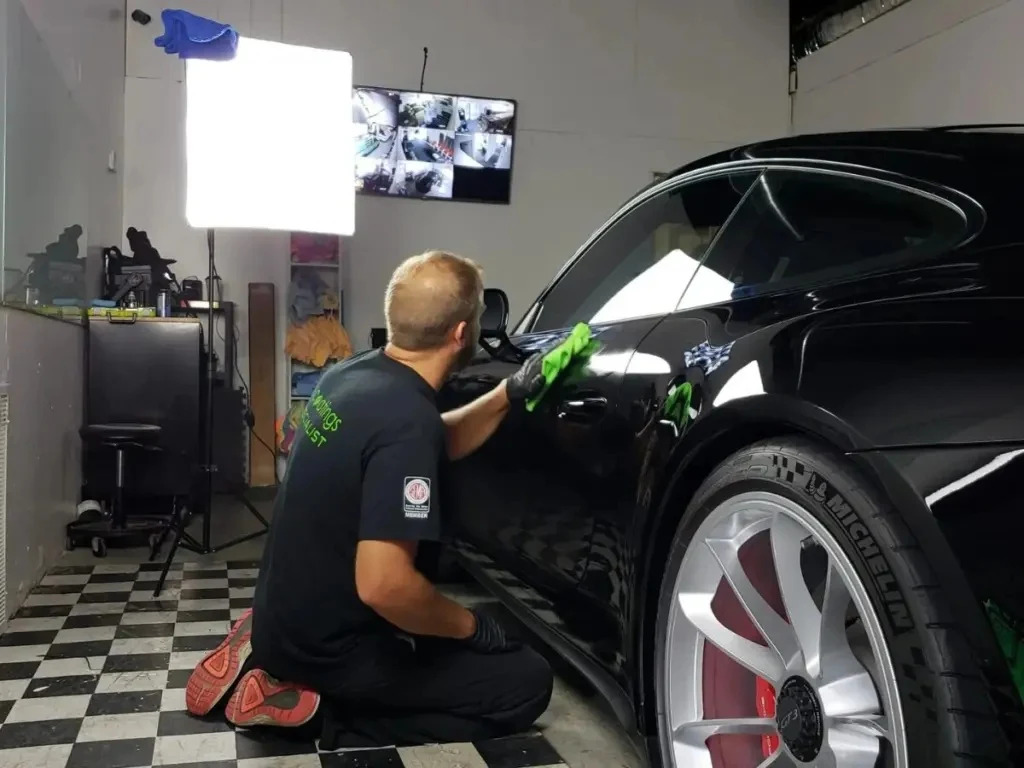
If you want to protect your vehicle’s resale value, it’s essential to set a car detailing schedule you can actually maintain. For the exterior, aim for a professional detail every three to six months, increasing the frequency after winter salt exposure or heavy highway driving. The interior of daily drivers should receive a professional deep clean every four to six months, with quick upkeep at home in between. In the Fort Worth–Dallas area, it’s smart to plan a spring reset to tackle pollen and winter grime, followed by a fall prep before the unpredictable Texas winter.
For the easiest way to stay on track, consider enrolling in a detailing maintenance plan that provides scheduled services and detailing tips and reminders tailored to your needs. This routine pays off: vehicles in “exceptional condition” often sell for 10 to 15% more than neglected ones, while interiors with stains and odors can quickly reduce your car’s value.
Introduction
Keeping a vehicle “clean” is easy to dismiss as cosmetic, right up until you price a trade-in or list your car for sale and realize buyers are shopping condition first. The good news is you do not need perfection. You need consistency.
A steady detailing routine works like preventative maintenance for paint, glass, wheels, plastics, leather, and carpet. It removes contamination before it becomes permanent damage, and it keeps protective layers (wax, sealants, coatings) doing their job. For more insights on maintaining your vehicle throughout the seasons, explore this resource on year-round car care with professional maintenance detailing.
What Happens When You Neglect Your Car Detailing Schedule
Skipping routine care does not always look expensive month to month. The bill shows up when you try to correct years of oxidation, embedded contamination, and stained interior materials.
Paint correction is a good example. Multi-stage paint correction can run roughly $1,000 to $2,000 or more depending on the vehicle and the correction level. Rust repair can be minor or it can turn into panel replacement; estimates for penetrating rust repairs can exceed $3,000.
Routine professional detailing is commonly priced far lower than major correction work. According to the Insurance Information Institute, full detailing typically ranges from $100 to $300 depending on vehicle size and service level, making it a cost-effective way to preserve your car’s condition and value.
Those numbers are why many owners treat their car detailing schedule like a recurring car maintenance appointment, not a once-a-year splurge.
Why Sticking to a Car Detailing Schedule Matters
A clean-looking car can still be collecting contaminants that bond to surfaces, etch clear coat, and dry out interiors. In Fort Worth, Dallas, Arlington, and surrounding areas, the combination of highway driving, intense summer sun, and occasional winter road treatment creates a predictable set of problems.
UV exposure is slow, constant, and unforgiving
UV rays break down paint and clearcoat chemistry over time, leading to fading, chalking, and micro-cracking. Those tiny cracks can let moisture and grime work deeper and speed up corrosion risk. Inside the cabin, UV contributes to drying and cracking on dashboards and trim.
Road salt and winter chemicals attack from below
While Texas winters are milder, ice storms and rare snow events mean road crews sometimes use salt or de-icing chemicals. Salt clings in seams, undercarriages, and tires, accelerating oxidation and weakening paint, especially on lower panels and wheel wells. AAA specifically recommends undercarriage rinses to remove road salt that can corrode vital components.
Brake dust is more than “dirty wheels”
Brake dust contains metallic particles that can corrode and “bake on” with heat, damaging wheels and nearby paint if it sits too long.
Interior oils and spills become permanent faster than you think
Skin oils on steering wheels and armrests, sunscreen residue, coffee spills, and kids’ snacks all change how materials age. Once staining sets into porous surfaces, “quick cleanup” turns into restoration.
A car detailing schedule is what keeps these threats on a short leash.
The Role of a Car Detailing Schedule in Maximizing Resale Value
When it comes to protecting your car’s value, detailing is much more than just making your vehicle look shiny for a day. A professional car detailing schedule is a form of preventative maintenance that safeguards your investment by addressing hidden threats before they become expensive problems. By following a regular routine, you’re not only enhancing your car’s appearance but also extending the life of its surfaces and materials—ultimately saving money and preserving resale value.
Here’s how a consistent car detailing schedule directly contributes to maximizing your vehicle’s resale value:
- Condition Drives Value: Pricing guides like Kelley Blue Book and Edmunds reward vehicles that look and feel well cared for, with “excellent” or “outstanding” condition ratings tied directly to cleanliness, gloss, and lack of visible wear.
- Prevents Costly Reconditioning: A consistent car detailing schedule keeps your car from slipping into “needs reconditioning” territory, where buyers start discounting for faded paint, worn interiors, or neglected surfaces.
- Detailing Is Preventative Maintenance: Professional detailing isn’t just about shine—it’s about decontamination, surface prep, and protection, all performed regularly to prevent permanent damage and preserve your car’s value.
- Reduces Major Repair Needs: Vehicles maintained on a schedule typically require only light correction and refreshing, while neglected cars often need expensive paint correction, odor removal, or interior repairs before resale.
- Protects All Surfaces: Routine detailing includes washing, safe drying, chemical decontamination, interior cleaning, and conditioning of leather, vinyl, and plastics to prevent drying, cracking, and embedded stains.
- Saves Money Over Time: Regular maintenance is a small, repeatable investment that helps you avoid large repair bills later—much like routine oil changes protect your engine.
A Practical Car Detailing Schedule for Fort Worth–Dallas drivers
A workable plan is better than an ambitious plan that falls apart. Your “right” frequency depends on where you park, how far you drive, and whether you deal with kids, pets, or jobsite dust.
Below is a simple schedule that fits many daily drivers in Fort Worth, Dallas, Arlington, and surrounding communities.
| Driver profile (local examples) | Exterior professional detail | Interior professional detail | Notes |
| Daily commuter, parked outside part-time | Every 3 to 4 months | Every 4 to 6 months | Plan around spring pollen and summer heat |
| Garage-kept, weekend driving | Every 6 months | Every 6 to 12 months | Still protect against UV and fallout |
| Family vehicle (kids, pets) | Every 3 months | Every 3 to 4 months | Interior oils, spills, and odors add up quickly |
| Highway-heavy driving year-round | Every 3 months | Every 4 to 6 months | Brake dust, tar, and road film build faster |
If you are searching “car detailing schedule” because you want a clean, repeatable cadence, start here, then adjust based on what you see: rough paint texture, stuck-on brake dust, fading trim, or interior stains that do not lift with normal cleaning.
How to Schedule Car Detailing Without Overthinking It
Follow these simple steps to create a car detailing schedule you can stick to:
- Pick Recurring Dates: Choose easy-to-remember times to schedule car detailing, such as daylight savings changes, the start of school, or when you renew your insurance.
- Set a Recurring Car Maintenance Appointment: Add a repeating appointment to your calendar every 12 to 16 weeks, so you never miss a service.
- Use Seasonal Anchors: Plan one visit after winter to remove salt or grime buildup, and another before summer to add extra protection.
- Keep Records: Save invoices and note what services were performed (like polish, sealant, or interior shampoo) to show a history of care to future buyers.
- Book Ahead: When you finish a detailing appointment, immediately schedule the next one—this keeps your car “sale ready” all year and avoids last-minute scrambling.
By following these steps, you’ll maintain a consistent car detailing schedule that protects your vehicle’s appearance and resale value.
FAQs
How often should I schedule car detailing?
Most vehicles benefit from professional detailing every three to six months for the exterior, ensuring glass surfaces remain clear, and every four to six months for the interior. However, your ideal car detailing schedule may vary based on driving habits, local climate, and whether your car is parked indoors or outdoors.
Is a car detailing schedule really necessary if I wash my car at home?
While regular home washing helps, professional detailing goes further by removing bonded contaminants, protecting surfaces, and addressing areas that are often missed. A scheduled approach ensures your car receives the deep cleaning and protection it needs to maintain its value.
What’s included in a professional detailing maintenance plan?
A detailing maintenance plan typically covers exterior washing, decontamination, waxing or sealing, interior vacuuming, stain removal, and conditioning of leather or vinyl. Some plans, like those offered by Wash Doc Auto Detailing, provide scheduled reminders and tailored services for your vehicle’s needs.
Can a car detailing schedule really increase my resale value?
Yes. Vehicles in “exceptional condition” often sell for 10 to 15% more than neglected ones. Consistent detailing prevents permanent damage, keeps your car looking its best, and provides maintenance records that appeal to buyers.
How do I remember to schedule car detailing regularly?
Set recurring reminders on your phone or calendar, tie appointments to seasonal changes, or enroll in a maintenance plan that includes automatic scheduling and reminders.
Is it worth investing in protection upgrades like ceramic coatings or paint protection film?
Protection upgrades make it easier to maintain your car’s appearance and reduce the frequency and intensity of detailing needed. They can also help preserve your vehicle’s value, especially in harsh climates like Texas.
What if I miss a scheduled detailing appointment?
Don’t worry—just reschedule as soon as possible. The key is consistency over time, not perfection. Getting back on track with your car detailing schedule will still help protect your investment.
How to Get Started
If you’re considering ways to make your car detailing schedule easier and more effective, investing in protection upgrades like window tint, paint protection film, or ceramic coatings is a smart move. While basic detailing keeps your car clean, these advanced solutions offer long-term defense against Texas sun, road debris, and environmental contaminants—helping your vehicle maintain its value and appearance with less effort.
Ready to take the next step? The team at Wash Doc Auto Detailing specializes in professional-grade protection services tailored to your needs. We’ll guide you through your options, ensure expert application, and help you set up a maintenance plan that fits your lifestyle. Schedule your appointment or explore our maintenance packages to experience the confidence and convenience of year-round protection for your vehicle.
Visit at:
Wash Doc Auto Detailing
Haltom City, TX, USA
Check works at:
washdocautodetailing.com
Call at:
817-225-8586
Social Profile:
Facebook
Instagram
Tiktok
Choosing ceramic coating for your vehicle is essential if you want maximum efficiency, long-lasting protection, and a truly professional finish.
Easy Ways to Get Started
- Free Quote – Get personalized mobile detailing pricing based on your vehicle type, condition, and desired service package.
- Book Now – Book your service at a time that fits your schedule.
Recommended Articles for You